Electricity industry knowledge

24-12-2025

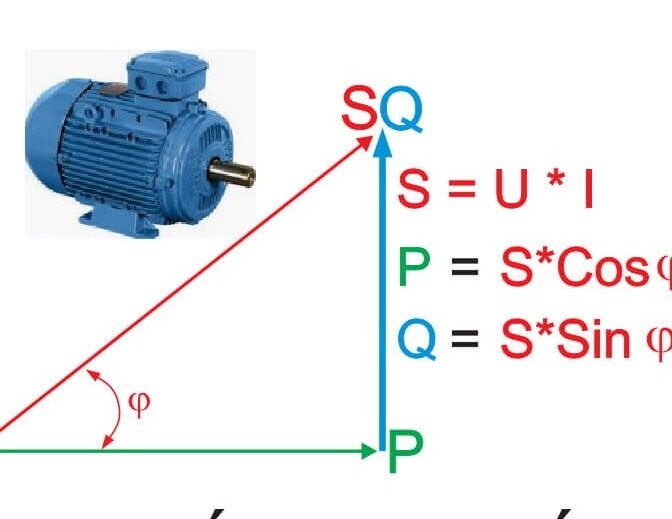
The power factor is determined by the cosine of the phase angle between voltage and current. In AC circuits, the phase angle between voltage and current is aligned, or in other words, zero. But, practically there exists some phase difference between voltage and current. The value of the power factor always lies between 0 and […]
03-05-2025

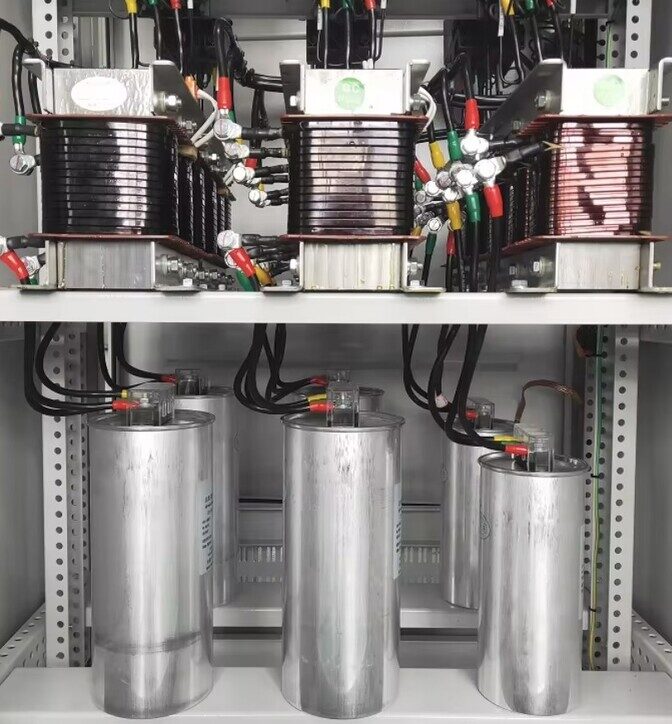
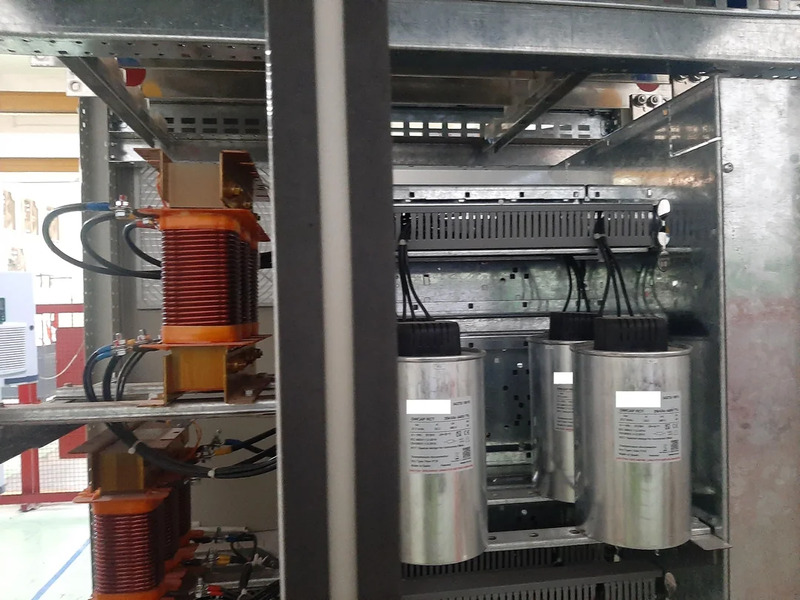
Power factor correction capacitors are crucial components in electrical systems, helping to improve the power factor, reduce transmission losses, and stabilize voltage. However, under certain operating conditions, installing a reactor (inductor) in series with the capacitor becomes essential to protect the equipment and ensure the system operates efficiently. This article will help you understand when […]

21-04-2025

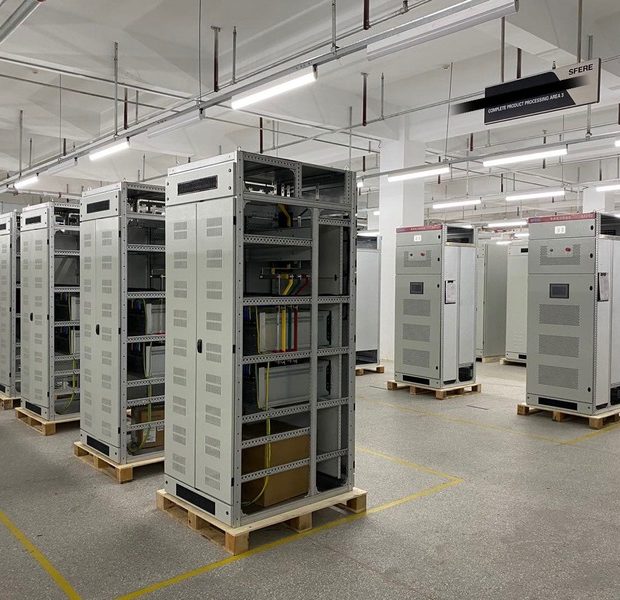
Harmonics are a dilemma for large power systems in industrial plants. Effective harmonic filtering improves equipment performance, reducing damage and energy loss. Harmonic filters are seen as the perfect solution to this problem. Let's find out an overview of active harmonic filters in the following article from BTB Electric. What is a Harmonic Filter? A […]

19-04-2025

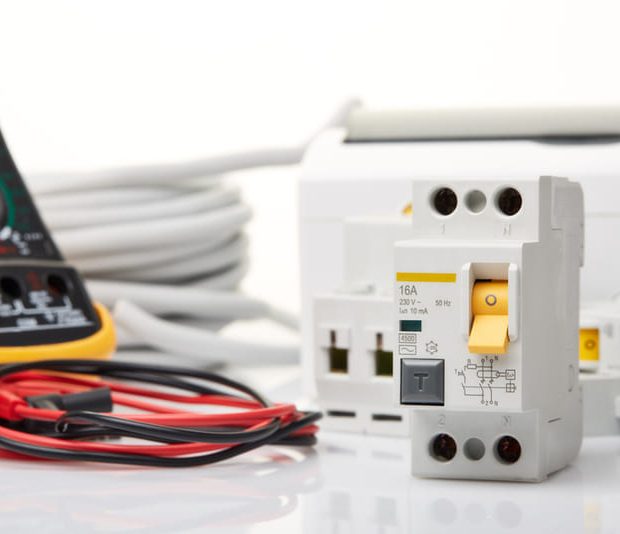
An RCCB (Residual Current Circuit Breaker) is a safety device designed to protect people from electrical hazards. It immediately disconnects the power supply when a residual current (leakage current) exceeding the permitted limit is detected, typically caused by leakage through a person or to the ground. Applicable Standards for RCCB IEC 61008-1 specifies the general […]

18-04-2025

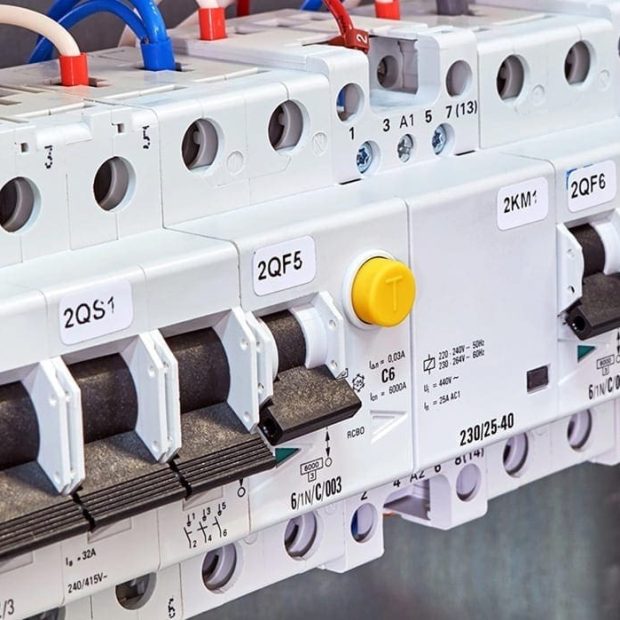
An RCBO (Residual Current Circuit Breaker with Overcurrent protection) is an electrical safety device that integrates both residual current protection and overcurrent protection. It combines the functions of an RCCB and an MCB into a single unit. RCBOs protect people from electric shock hazards and safeguard equipment from overloads and short circuits. They are commonly […]

12-04-2025

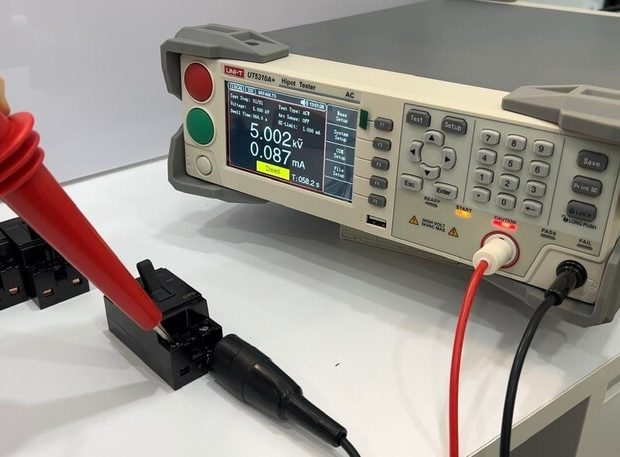
Type Test is a series of tests conducted on a representative sample of electrical equipment to verify that the product meets specified technical standards (such as IEC, ANSI, UL, TCVN, etc.). Type Testing is not performed on every mass-produced product but only on selected samples. If the tested sample meets the required standards, other products […]