ATS Panel: Complete sizing, working principle & guide

BTB Electric

BTB Electric

An Automatic Transfer Switch (ATS) panel is a critical power distribution enclosure designed to maintain uninterrupted electrical service for commercial buildings, healthcare facilities, and industrial manufacturing plants.

The primary role of an ATS panel is to continuously monitor the primary power supply (utility grid). In the event of a power outage, voltage drop, or phase loss, the panel automatically commands a secondary power source (such as a diesel generator or solar ESS) to start and seamlessly transfers the emergency load to the backup supply. Once main power is restored, the ATS panel safely re-transfers the load back to the utility grid and shuts down the auxiliary source.

tu ats

Operating principle

An ATS panel operates in conjunction with standby generators or backup power sources. Equipped with an intelligent microprocessor controller, the panel constantly senses the voltage and frequency of the incoming utility line.

Power failure sequence:
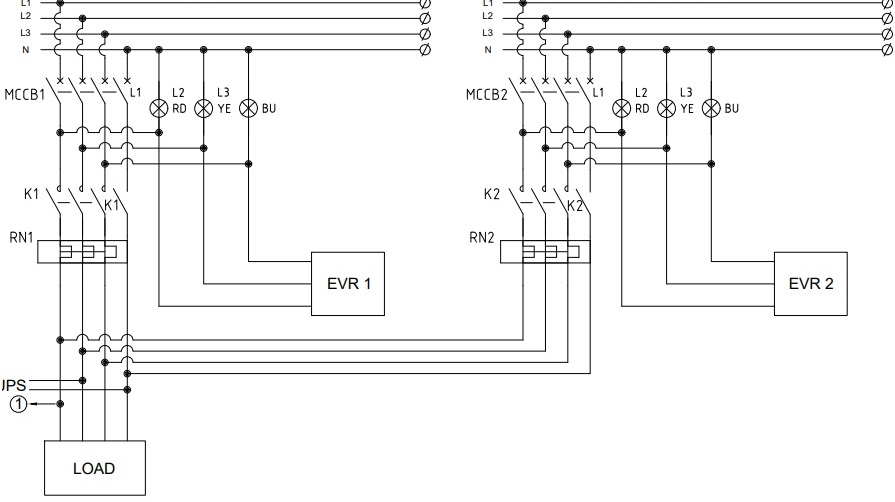
  • Utility failure detection: The ATS controller detects a grid fault (undervoltage, overvoltage, phase loss, or total outage) exceeding a preset time delay.
  • Generator start signal: The controller closes a dry contact to send a remote start signal to the emergency diesel generator.
  • Load transfer: Once the generator reaches rated voltage and frequency (typically within 5 to 10 seconds), the ATS disconnects the utility source and closes the backup switching mechanism, energizing the facility.

nguyen ly hoat dong tu ats

Power restoration sequence:

  • Grid verification: When utility power returns, the ATS controller monitors it over a stabilization delay (typically 10 to 30 seconds) to ensure the grid is reliable.
  • Re-transfer to utility: The ATS disconnects the backup source and closes the main utility switch.
  • Engine cool-down: The ATS sends a signal to let the generator run unloaded for a brief cool-down period before complete shutdown.

Structure

Internal Architecture:

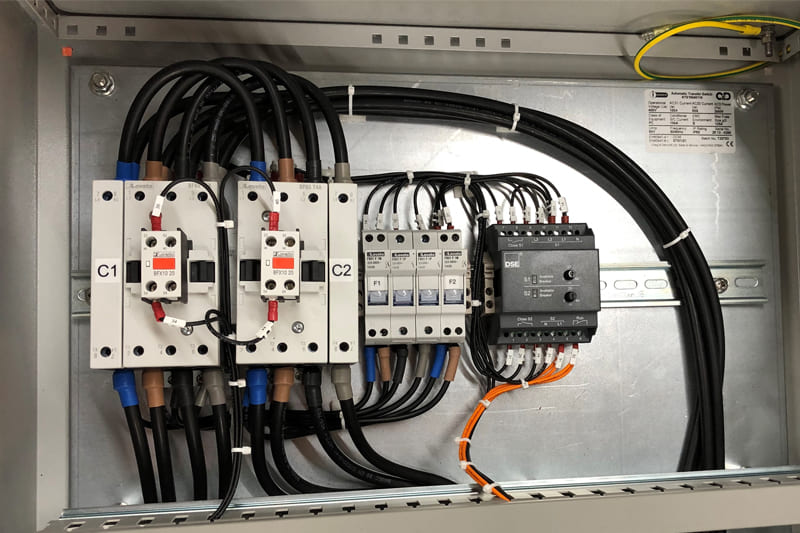
  • Automatic transfer switching unit: The main electromechanical switching device (typically motorized MCCBs/ACBs or a dedicated double-throw ATS switch).
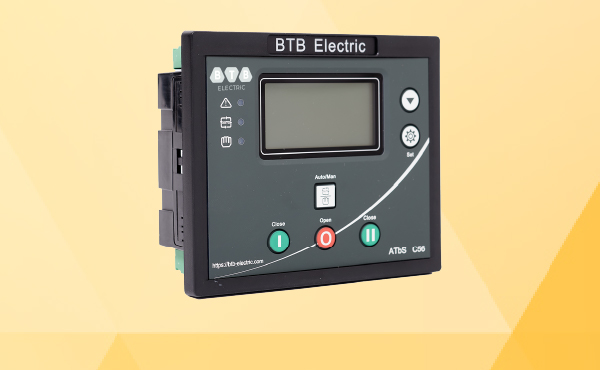
  • Microprocessor ATS controller: The intelligent brain featuring an LCD screen for adjusting voltage thresholds, transfer time delays and exercising generator schedules.
  • Distribution busbars: High-purity tin-plated copper busbars sized according to the panel's rated current.
  • Protection switchgear: Auxiliary MCBs and MCCBs providing control circuit and sensing protection.
  • Enclosure: Electro-galvanized sheet steel enclosure finished with RAL-7035 epoxy powder coating.

General Specifications:

  • Applicable standards: IEC 61439-1&2, IEC/EN 60947-6-1
  • Rated operational voltage (Ue): Up to 690V AC
  • Rated operational current (Ie): 100A to 4300A
  • Protection rating: IP43 to IP65
  • Operating modes: Fully automatic, manual override, test mode

Types & selection criteria

System configurations:

  • Utility-generator (1 Utility + 1 Generator): The most common setup for commercial buildings and standard factories.
  • Utility-utility (2 Independent grids): Deployed in mission-critical facilities where two separate utility feeds are available.
  • Multi-source systems (1 Grid + 2 Generators / Solar ESS): Used in large industrial parks or data centers requiring complex load shedding and dual-backup redundancy.

tu ats

Key selection parameters:

Continuous current rating: The ATS must be rated for 100% of the continuous maximum demand load current with provision for future expansion.

Short-circuit withstand rating (ICW/ICU): The switching mechanism must withstand potential short-circuit fault currents from the upstream utility transformer.

Switching mechanism type:

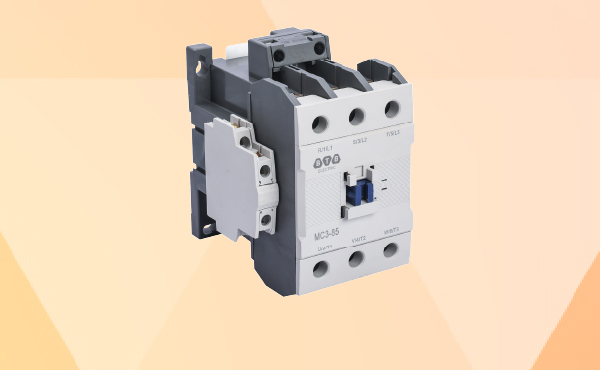
  • Contactor-based ATS: Economical for small loads (<225A).
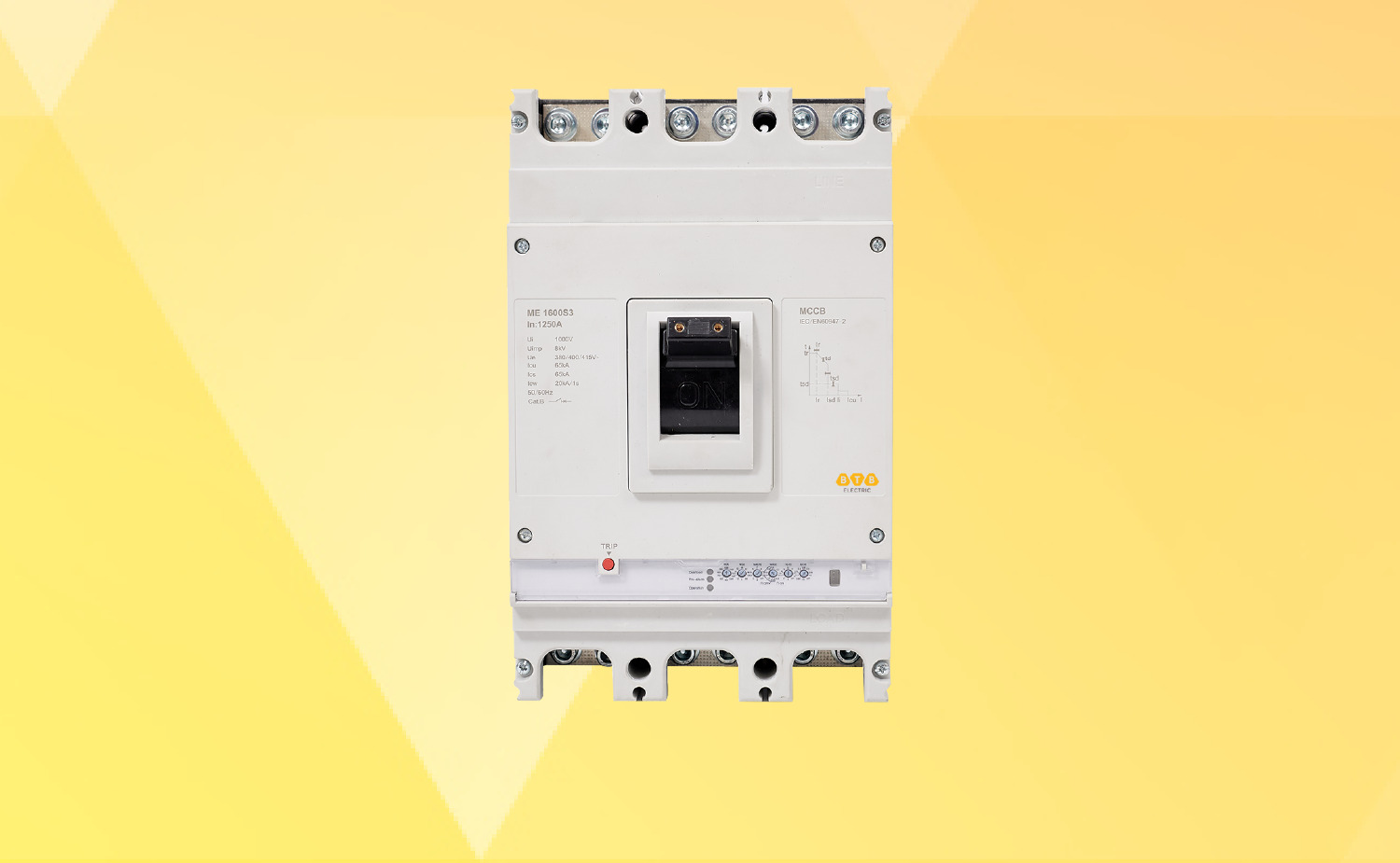
  • Molded-case / ACB-based ATS: Mandatory for high-capacity industrial applications (400A to 4000A+) requiring high short-circuit withstand capabilities.

Key industrial & commercial applications

An ATS panel is strictly required in any facility where a prolonged power interruption could result in catastrophic financial loss, data corruption, or life safety hazards. The capability to seamlessly switch to a secondary power source makes ATS panels indispensable in:
  • Healthcare facilities: Ensuring life-support systems, operating rooms and critical medical monitoring equipment remain powered during unexpected grid blackouts.
  • Data centers & telecommunications: Preventing server downtime and data loss by ensuring UPS systems and backup generators take the load immediately.
  • Heavy manufacturing: Protecting continuous production lines (such as semiconductor fabrication, glass manufacturing or plastics) from sudden halts that could ruin expensive raw materials and damage machinery.
  • Commercial high-rises & infrastructure: Maintaining power for emergency lighting, fire suppression pumps, escalators and elevators to ensure safe building evacuation and compliance with fire safety codes.

lap dat ats

BTB Electric supplies electrical equipment for ATS panel

The reliability of an emergency power system depends entirely on the mechanical and electrical endurance of the switching components inside the ATS panel. If a transfer switch fails to close during a blackout, the standby generator becomes useless.
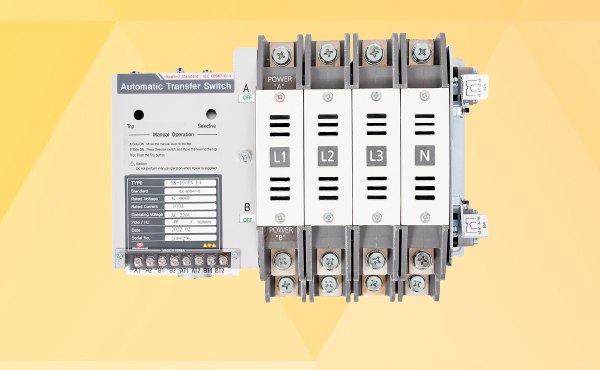
automatic transfer switches btb logo aTS controller btb logo
ac contactor btb logo mccb btb logo 1500

BTB Electric is a trusted manufacturer of high-performance industrial electrical switchgear. We supply panel builders and M&E contractors across Southeast Asia with robust, IEC-certified components designed specifically for automatic power transfer systems, including ATS, ACBs, MCCBs, Contactors and protection relays.

Tested and certified by world-class laboratories (DEKRA, Intertek) with KEMA-KEUR marks, BTB Electric components guarantee rapid, safe and flawless power source switching when your facility needs it most.

Explore BTB Electric's ATS panel here

FAQs

What is the difference between an open transition and closed transition ATS?

An open transition ATS ("break-before-make") briefly disconnects the load from the primary source before connecting to the secondary source, causing a momentary power interruption (usually milliseconds to seconds). A closed transition ATS ("make-before-break") overlaps the two sources for a fraction of a second, transferring power with zero interruption, which is ideal for sensitive data centers.

How often should an ATS panel be tested?

M&E engineers recommend performing a simulated power failure test at least once a month. Modern ATS controllers include built-in weekly or monthly exercise timers that automatically start the generator (with or without load transfer) to ensure system readiness and prevent engine wet stacking.