26-11-2026
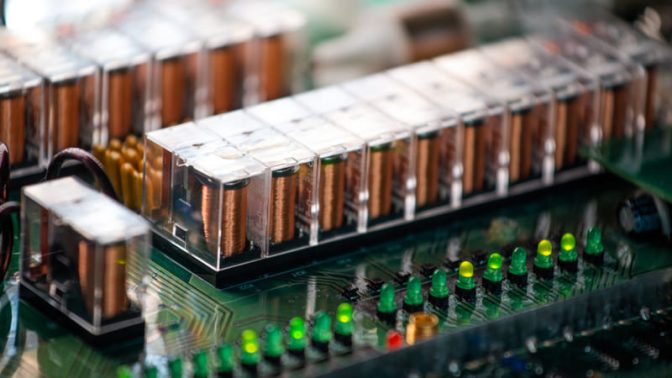


A contactor is a robust, low-voltage electromechanical switching device predominantly used in industrial factories, large commercial buildings and automated assembly lines. Details about the structure, specifications, and application of the contactor will be summarized by BTB Electric in the following article.
A contactor (technically known as a magnetic contactor) is specifically designed to safely and repeatedly switch heavy electrical loads (main power circuit) ON and OFF. It serves as the primary control mechanism for high-capacity equipment such as industrial motors, lighting banks, heating systems and capacitor banks.

Because they consume very little control power to switch massive load currents, magnetic contactors offer fast switching capabilities, high mechanical endurance and are the backbone of automated electrical control systems.
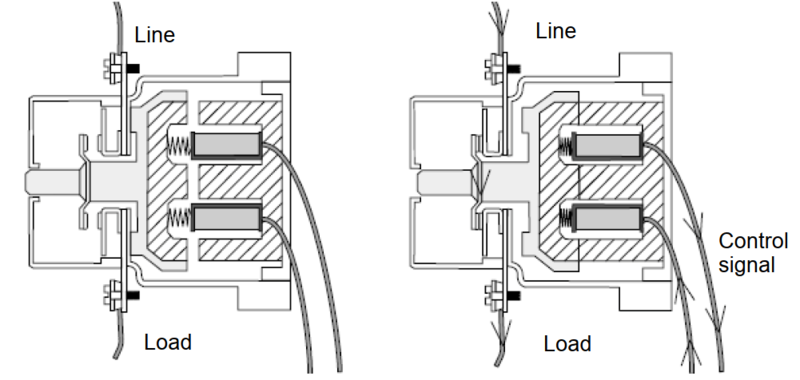
An industrial magnetic contactor boasts a robust electromechanical build, comprising several highly engineered components:
The electromagnet (coil and core): Consists of a copper coil wound around a stationary laminated silicon steel core (providing a low-reluctance magnetic flux path), an armature (movable core) and a return spring.
Coil terminals (A1 - A2): Dedicated connection points for the control circuit supply to energize the electromagnet.
Shading ring: A specialized copper loop embedded in the pole face of AC contactors to prevent contact chatter and eliminate AC hum/vibration.
The contact system:
Arc chute (arc extinguishing chamber): Built with stacked de-ion metal splitter plates designed to divide, stretch, cool and quench the severe electrical arc generated when heavy loads are disconnected.
The basic specifications of the magnetic contactor include:
When a control voltage (matching the coil's rated voltage) is applied to the electromagnetic coil, it generates a strong magnetic field. This field overcomes the spring tension and pulls the movable magnetic core toward the stationary core. As the core moves, it pulls the mechanical interlock linked to the contacts. This action instantly closes the Normally Open (NO) main contacts (powering the load) and changes the state of the auxiliary contacts.
When the control voltage is removed, the electromagnetic field collapses. The return spring immediately pushes the movable core back to its resting position, opening the main contacts and safely disconnecting the load.

Thanks to the above operating principle, in the circuit, the magnetic contactor undertakes the following 3 main functions:
Classifications by power supply (AC vs DC):
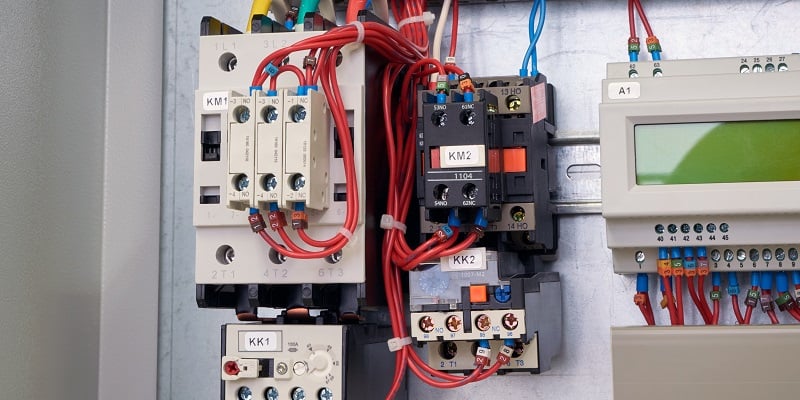
Based on their operating mechanisms and arc-quenching environments, contactors are divided into standard industrial types:
In addition, magnetic contactors can be divided according to current characteristics, rated current levels, number of poles, or the ability to integrate with other devices.
With complex, medium-sized and larger power systems such as commercial centers, stadiums, construction sites, factories,... then using a contactor is essential. Especially in industry, a contactor is a device that controls motors and other electrical equipment. This solution helps to increase the automation of the production line, high stability, meet complex systems, reduce repair costs.

Applications of contactor include:
Contactors are highly flexible when they can combine many electrical devices, applications for many specific cases, but also have characteristics that are specific to each of those applications. Therefore, when choosing a magnetic contactor, you need to base on the purpose of use and the accompanying specifications.

To correctly size a motor contactor, M&E engineers rely on the rated operational current Ie, active power P, and power factor cosφ. The formula for a 3-phase system is:
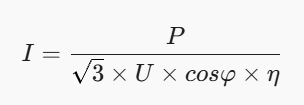
For a 3-phase, 380V, 4kW motor with a power factor cosφ of 0.8 and efficiency η of 0.9:
The calculated load current is approximately 8.5A. To ensure longevity and handle inrush currents, the contactor must be sized higher than the nominal current. In this case, the BTB Electric MC3-12A contactor is the perfect choice.

In addition, you need to choose a magnetic contactor with electrical strength and mechanical strength that is suitable for the frequency of use and the working environment.
When selecting a magnetic contactor for power factor correction (PFC) capacitors, it must withstand the massive high-frequency inrush current that occurs the moment the capacitor is energized.
As a rule of thumb, the contactor's rated current should be 1.2 to 1.5 times the capacitor's nominal current.
Example: A 415V, 30kVAr 3-phase capacitor has a nominal current of approx 41.7A. Multiplying this by 1.5 gives ~62.5A. Therefore, selecting the BTB Electric MC3-65A contactor ensures safe and stable switching without contact welding.

In addition, it should be noted to choose a magnetic contactor that can withstand high current when the capacitor is closed, has high electrical strength and mechanical strength, suitable for use.
When specifying contactors for projects in Singapore and Malaysia, selecting the right current rating is only half the equation. M&E engineers must account for local regulatory and environmental factors:
To maximize the electrical and mechanical lifespan of your magnetic contactor, adhere to these industrial best practices:
BTB Electric contactors are strictly manufactured to IEC/EN 60947-1, IEC/EN 60947-4-1, and UL 508 standards. Engineered for both heavy-duty motor loads and capacitor switching, our devices feature a rugged housing highly resistant to extreme temperatures.

Offering a broad rated current range from 9A up to 800A and control coil voltages from 24V to 415V, BTB Electric contactors seamlessly integrate into any automation panel.
Ready to enhance your automated control panels with durable, IEC-certified contactors?
Breaking a high-voltage, inductive load generates intense localized thermal plasma that can vaporize standard metals. Contactors mitigate this severe arcing using Arc Chutes (stacked insulated metallic splitters that elongate and rapidly cool the arc column) and Silver-Alloy Contact Tips (such as AgSnO₂ or AgCdO), which offer high electrical conductivity combined with superior anti-welding and arc-erosion resistance.
Yes. The tropical climate in Southeast Asia often pushes ambient distribution board temperatures above 45°C, coupled with extreme humidity. Standard contactors may suffer from premature coil burnout or stuck armatures under these conditions. BTB Electric contactors feature a tropicalized, rugged housing engineered specifically to resist extreme temperatures and humidity, ensuring reliable operation in both VN, SG and MY environments.
In Southeast Asia (especially Singapore and Malaysia), PFC capacitors are frequently rated at 415V or 440V to safely handle voltage fluctuations on the grid. Energizing these capacitors creates a massive high-frequency inrush current. Standard motor contactors will quickly weld their contacts if used here. You must specify a dedicated capacitor-switching contactor, like the BTB Electric MC3 series, which is strictly rated to manage these extreme inrush currents safely.
Achieving these prestigious green certifications requires strict auditing of a building's energy efficiency. By specifying contactors with low-consumption control coils, contractors can significantly reduce the internal heat dissipation of the Main Switchboard (MSB). Furthermore, BTB Electric contactors feature highly responsive auxiliary contacts that seamlessly integrate with Building Management Systems (BMS) to optimize HVAC and lighting control schedules, directly supporting your project's green rating goals.
BTB Electric has just published a summary of information about contactors – indispensable equipment in industrial power systems. We have provided more information about this type of equipment at https://btb-electric.com/ website, please read it.