26-11-2026


A magnetic motor starter is an essential electromechanical assembly used to safely start, control and protect heavy-duty industrial electric motors. While they are a staple in 3-phase electrical systems, these devices are frequently confused with standard contactors.
In this comprehensive guide, BTB Electric breaks down the core components, working principles, and key differences to help M&E engineers properly specify motor control equipment for their panels.
A magnetic motor starter (often referred to in standard applications as a Direct-on-line or DOL starter) is an electromagnetically operated switch assembly designed to safely start, stop, and protect large industrial electric motors.
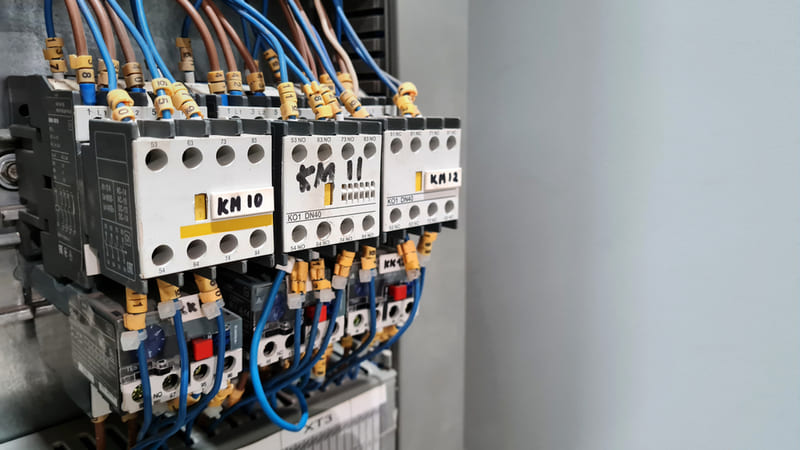
Rather than being just a simple switch, a true magnetic starter is a packaged combination of two critical devices: a contactor (to switch the heavy load current) and an overload relay (to protect the motor from thermal damage). When a fault occurs, the internal relay breaks the control circuit, safely cutting power to the motor and preventing catastrophic burnouts.
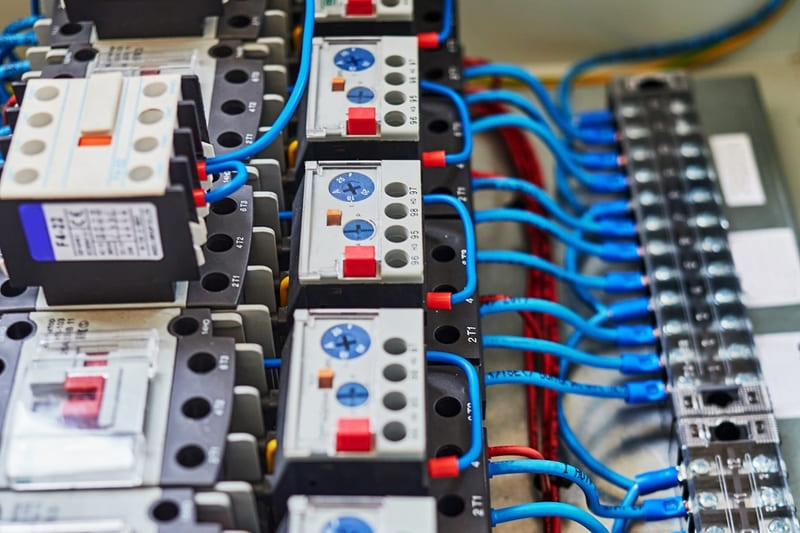
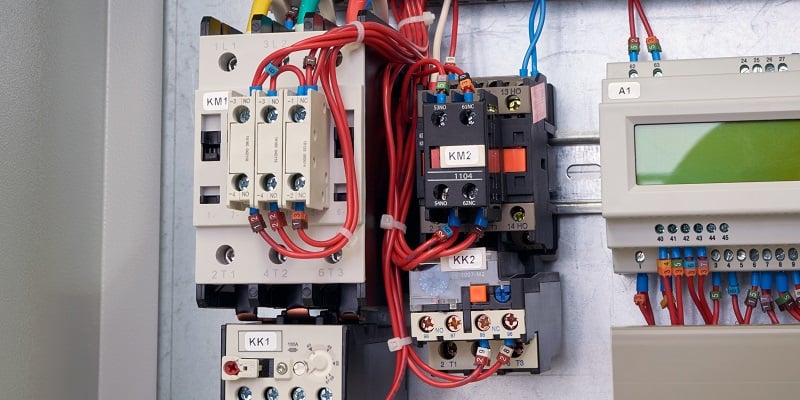
The magnetic starter consists of contactor and overload relay as the two main components, the sub-components are the control circuit and the seal-in circuit.
The contactor is the primary switching component of the starter. It operates on electromagnetic principles, utilizing an internal operating coil. When control voltage is applied, the coil generates a magnetic field that rapidly pulls the heavy-duty main contacts closed, allowing current to flow to the motor. When the voltage is removed, a spring pushes the contacts apart, safety stopping the motor.

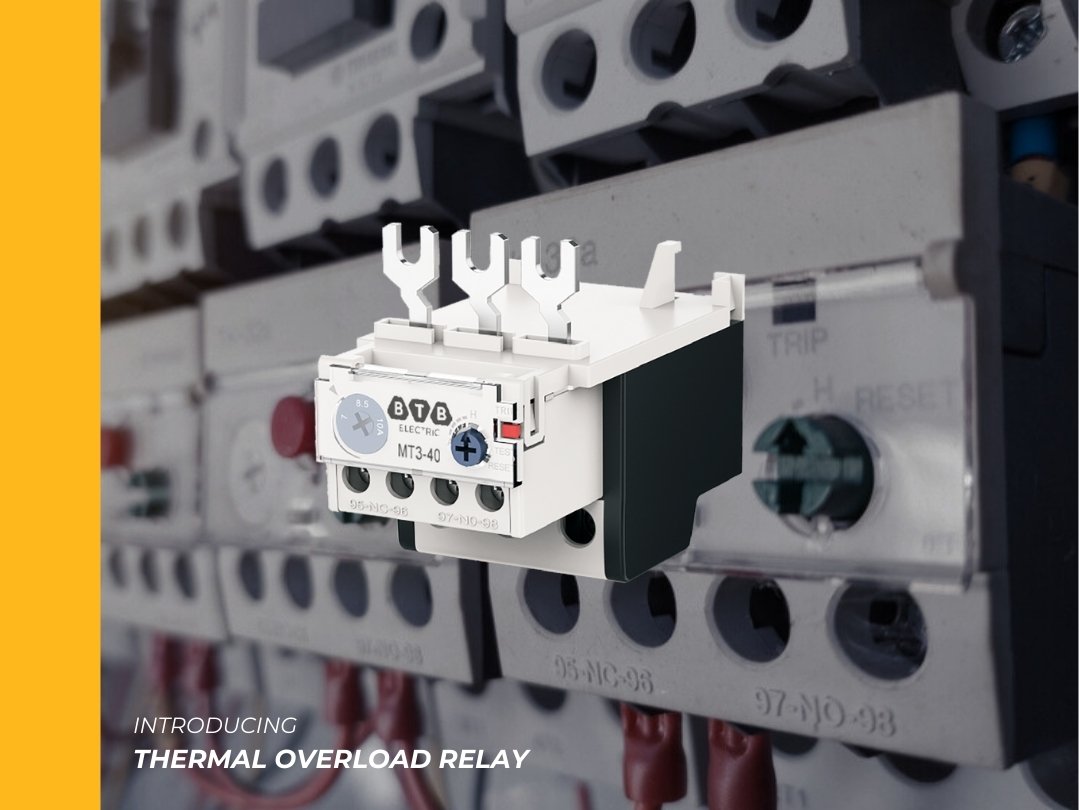
The overload relay is the protective component of the magnetic starter. The main function of the overload relay is to monitor the current of the motor, detect the electrical overload, and break the circuit. There are 2 types of relays used for magnetic start: thermal relays and electronic relays:
The magnetic starter uses a control circuit with two push buttons – the motor start button and the engine stop button. These buttons connect to the control voltage to activate the coil in the contactor.
The start button is a temporary switch that only closes the circuit to start the motor when pressed. The stop button is a type of switch that is normally closed, when pressed, will stop the motor.
Magnetic starters typically utilize momentary push buttons (Start/Stop). When the 'Start' button is pressed, the contactor coil is energized. To keep the motor running after the operator releases the button, an auxiliary contact on the contactor closes parallel to the Start button. This creates a seal-in circuit (or holding circuit), maintaining power to the coil until the 'Stop' button is pressed or an overload fault occurs.
The starter has a relatively simple operating principle. When the start button is pressed on the circuit, the electrical signal is transmitted to the contactor's coil. The coil draws contacts to allow current to flow to the motor.
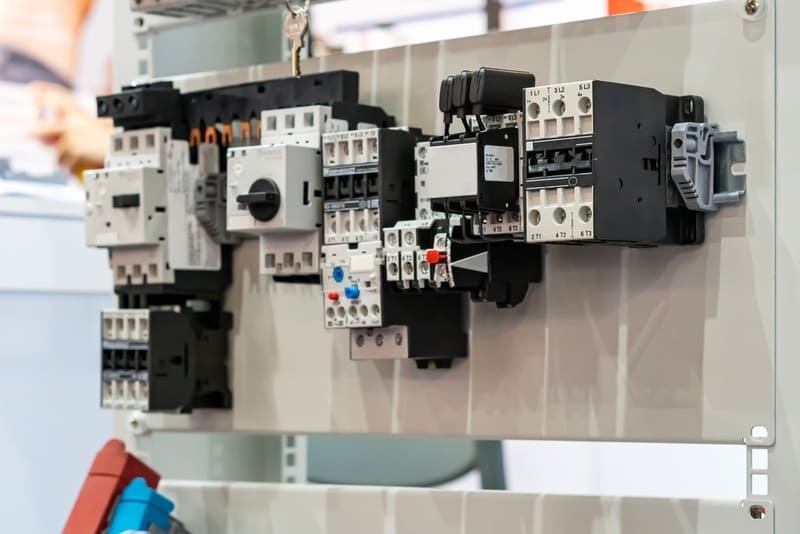
During motor control, the relay monitors the operating current. If the motor power exceeds the rating, the relay will trip, opening the circuit and stopping the motor. This mechanism helps protect the motor from damage caused by heat-generating overload currents. In many complex systems, a PLC controller can be added to control the motor through pressure, humidity or timing.
M&E engineers and procurement teams often confuse contactors with magnetic starters, but the distinction is strict:
In short, every magnetic starter contains a contactor, but a standalone contactor is never a magnetic starter.
Some key benefits of using magnetic starter:

Magnetic starters are typically mandated for industrial motors rated 5HP (3.7kW) and above. Common applications include:
A magnetic motor starter is the ultimate line of defense for industrial motors, combining the switching power of a contactor with the precise protection of an overload relay. BTB Electric offers IEC-certified components to build highly reliable magnetic starters tailored to your panel requirements.