26-11-2026


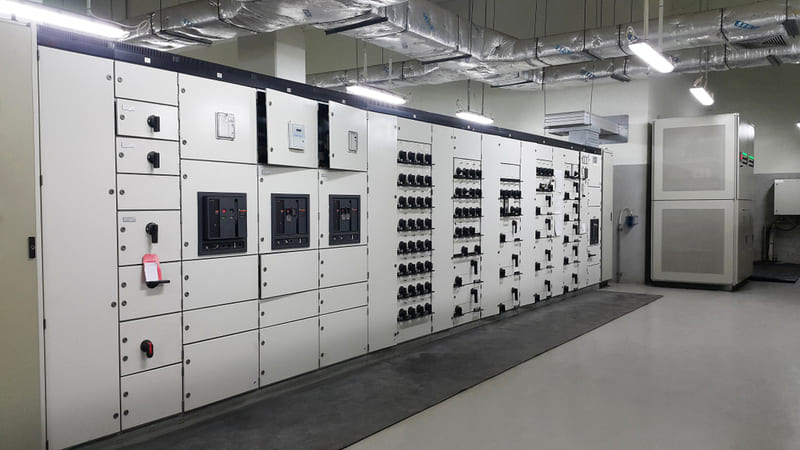
A main electrical control panel is the central nerve center of an industrial power distribution and automation system. It is designed to safely distribute low-voltage power to heavy-duty loads - such as large motors, pumps, and machinery - while providing critical protection against electrical faults.
Unlike basic distribution boards, a main electrical control panel often integrates programmable logic controllers (PLCs), variable frequency drives (VFDs), and microprocessors. This integration allows it to execute complex automation sequences, ensuring stable and continuous operational performance while minimizing the need for manual human intervention. These robust, freestanding double-door enclosures are strictly required in environments where power reliability is non-negotiable.
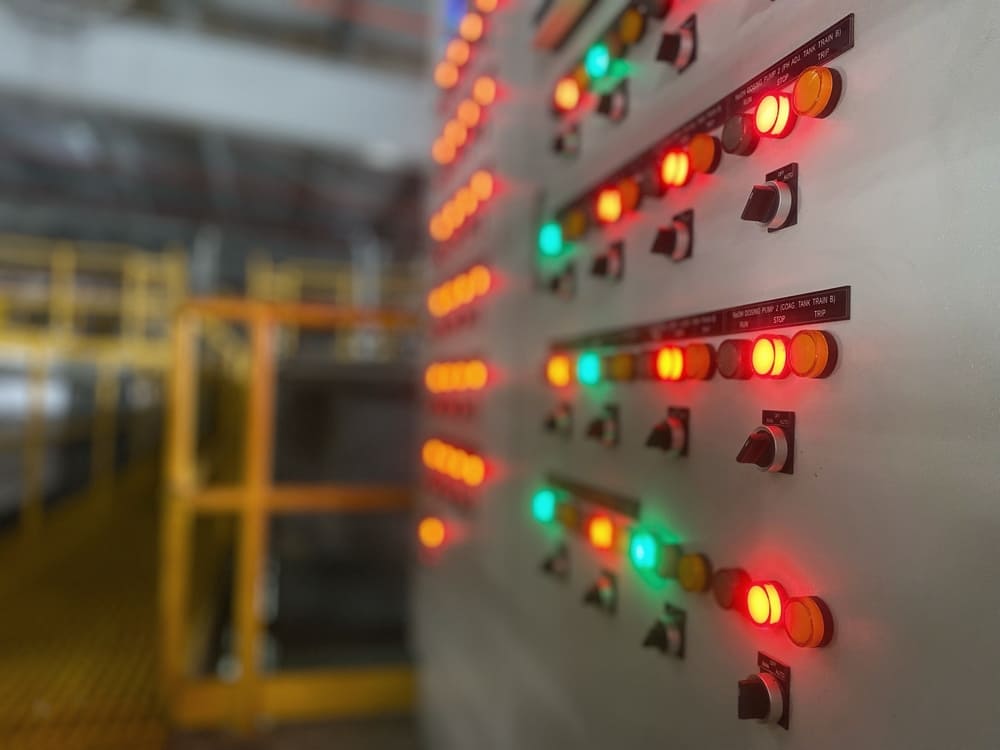
A main electrical control panel features a robust, vertical freestanding structure, typically built with a double-door design to separate high-voltage components from low-voltage control interfaces.
General technical specifications:
Internal components:
In modern industrial facilities, main control panels are categorized based on their specific starting methods and automation capabilities:
The deployment of a main electrical control panel brings unparalleled efficiency to an electrical system. Its primary functions include protecting equipment against phase loss, voltage drops and overloads, while simplifying the operation of complex motor networks.
Because of their reliability and customizability, these panels act as the primary circuit breaker and control hubs in:

The stability of a main electrical control panel depends entirely on the mechanical endurance of its internal switchgear. If a breaker fails to trip during a short circuit or a contactor welds shut, the entire production facility is at risk.
BTB Electric is a leading manufacturer of premium, IEC-certified industrial electrical equipment. We supply panel builders and M&E contractors across Southeast Asia with highly robust components, including ACBs, MCCBs, MCBs, contactors and protection relays. Engineered for harsh industrial environments, BTB Electric components ensure your control panels execute every command safely and consistently.
What is the difference between a MDB and a main electrical control panel?
An MDB is primarily designed to receive power from a transformer and distribute it to various sub-panels, focusing purely on switching and protection. A main electrical control panel goes a step further by incorporating logic components (PLCs, contactors, VFDs) to actively control, automate, and regulate the speed or sequence of the connected loads (like motors and pumps).
Does a main electrical control panel require a cooling system?
Yes. Components like VFDs, power supplies, and PLCs generate significant thermal loads during operation. To prevent overheating and ensure component longevity, these panels are typically equipped with thermostatically controlled exhaust fans or dedicated enclosure air conditioners.