26-11-2026


A Motor Control Center (MCC) is a highly structured, centralized industrial electrical enclosure designed to power, monitor and control multiple heavy-duty electric motors from a single location.

Acting as the ultimate "conductor" of an industrial facility, an MCC distributes power efficiently, regulates motor speeds and provides critical overload and short-circuit protection. By consolidating individual motor starters into a unified, modular assembly, MCCs dramatically improve operational efficiency, simplify maintenance and enhance workplace safety.
Standard industrial Motor Control Centers feature the following general specifications:

An MCC is typically divided into two main components:
Common MCC cabinet boot methods are hard start, soft start and inverter.
DOL is the most basic and cost-effective starting method, applying full line voltage directly to the motor terminals. It is strictly limited to small motors (typically <10kW) because it draws a massive inrush current (up to 6-8 times the full load current).
For slightly larger motors, a Star-Delta starter is utilized to mechanically reduce the starting current by reconfiguring the motor windings from a star to a delta connection during acceleration.
Soft starters are utilized for medium to large induction motors. They use solid-state thyristors to gradually ramp up the applied AC voltage, resulting in a smooth, stepless acceleration.

VFDs are the most advanced motor control method. They operate by rectifying incoming AC power to DC, then inverting it back to AC at a precisely controlled frequency and voltage. Pros: Allows continuous, highly accurate speed and torque control throughout the entire operation. It maximizes energy savings, provides superior motor protection against phase loss and significantly extends the mechanical lifespan of pumps and fans.
Installing and operating Motor Control Center helps improve work efficiency and operating costs for applications that require close monitoring of many motors in the system. Projects that use MCC cabinet such as factories will further optimize space and equipment investment costs. On the other hand, this series of electrical cabinets has a simple design, easy to disassemble, maintain, maintain and flexibly expand capacity when required.
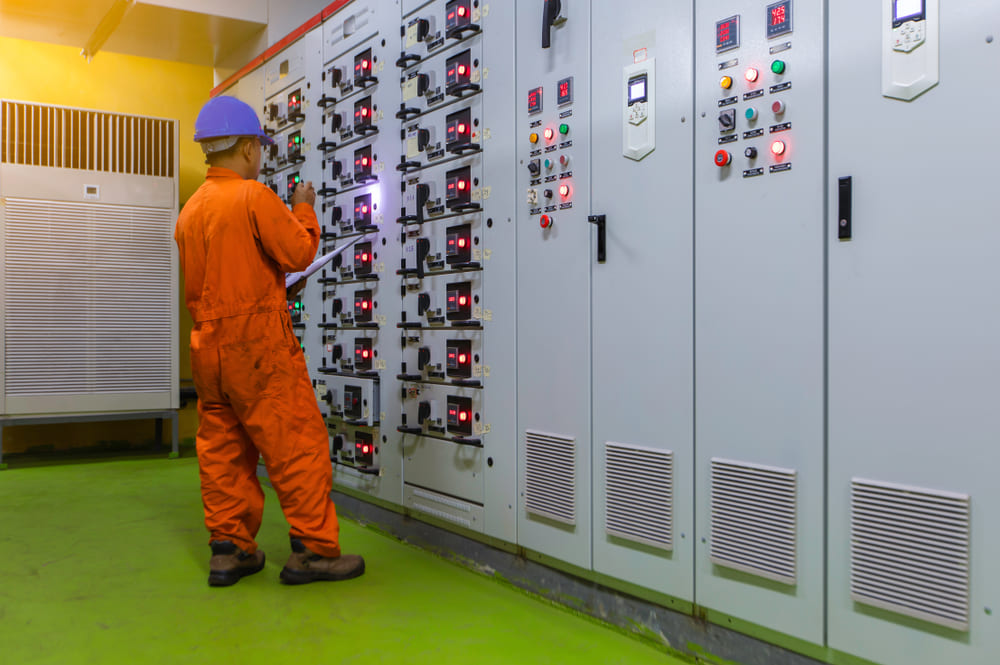
Thanks to a variety of start-up methods such as star-triangle start, inverter, soft start,.. but the design and installation of MCC cabinet are quite fast, meeting the needs of the user unit. The design of connecting this control cabinet is minimalist, space-saving. The system is ready to install additional equipment when needed. The motor and equipment placed in the MCC cabinet limit the harm from the corrosive environment, increasing the operating life. Along with that, the use of the MCC cabinet makes it easy for the operator to control the entire motor system, including the motor that is not working.
The primary function of an MCC is to centralize the starting, stopping, monitoring and speed regulation of heavy machinery. They are universally deployed to control multiple high-power motors in:

The operational reliability of an MCC depends entirely on the durability of its internal electromechanical switchgear.
BTB Electric is a leading manufacturer of high-performance industrial electrical equipment. We supply panel builders and M&E contractors across Southeast Asia with robust, IEC-certified components critical for MCC integration, including ACBs, MCCBs, MCB, contactors and thermal overload relays.
Engineered to European standards (IEC, EN) and built with premium-grade materials, BTB Electric components ensure your motor control systems execute every start, stop and protection command safely and consistently in the harshest environments.