26-11-2026
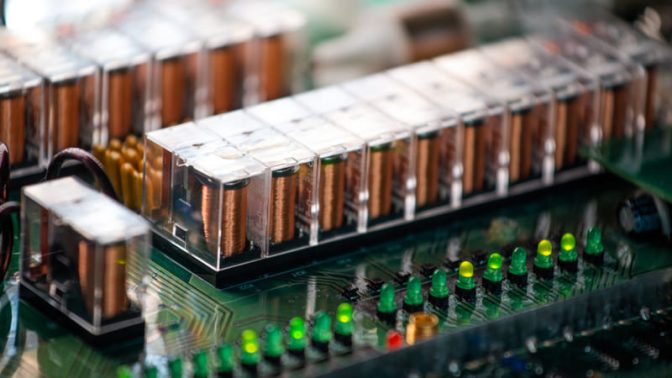


A Synchronized Panel (often referred to as Generator Paralleling Switchgear) serves the critical function of integrating multiple independent generator sets into a single, cohesive power system. This technical solution enhances overall grid reliability, increases load capacity, and optimizes fuel consumption through intelligent load sharing.
A synchronized panel is a highly specialized electrical control cabinet designed to parallel two or more generators or to synchronize a generator plant with the main utility grid (typically at low or medium voltage levels like 22kV, 35kV, or 110kV).

The panel's primary role is to precisely match the voltage, frequency and phase angle of the incoming generator with the running system before closing the circuit breaker. This seamless integration ensures the generators work in unison without causing electrical faults, mechanical stress on the turbines or severe voltage dips on the connected grid.
Modern synchronized panels feature a modular architecture to accommodate future capacity expansion. A standard multi-generator panel consists of a Master Control section and individual incoming sections for each generator.
Internal components:
Standard synchronization parameters: To safely parallel a generator to a live bus, the controller must strictly satisfy these conditions:
By bringing multiple units into a parallel configuration, the panel executes several advanced power management functions:
Synchronized panels support two primary modes of operation to ensure maximum redundancy:
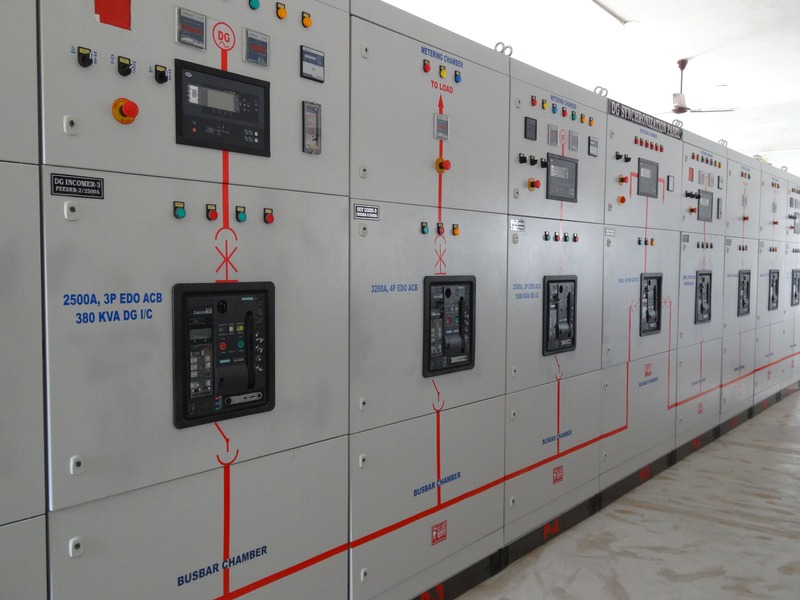
Synchronized panel is indispensable for large-scale facilities that cannot risk power interruptions and require more capacity than a single generator can provide. They are heavily deployed in data centers, heavy manufacturing plants, hospitals, commercial airports and remote industrial parks operating on island mode.
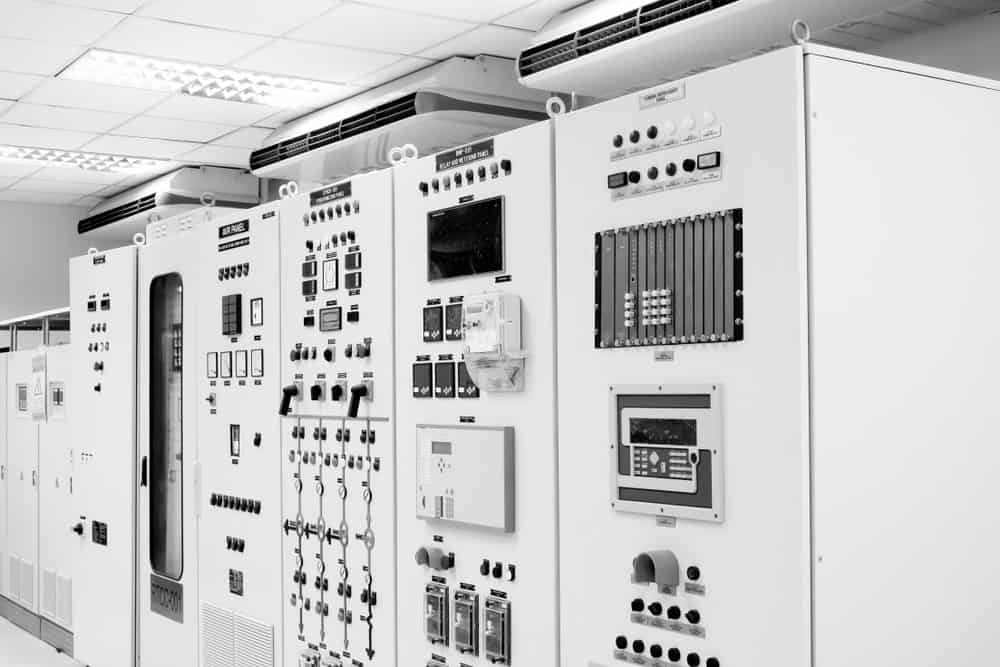
The precision and safety of a synchronized panel depend entirely on the speed and durability of its internal switchgear. When generators parallel, the electrical stresses and potential fault currents are immense.
BTB Electric supplies panel builders and M&E contractors across Southeast Asia with robust, IEC-certified components critical for synchronization systems. From high-capacity Air Circuit Breakers (ACBs) and Motorized MCCBs to protection relays, our components guarantee rapid and safe breaker operation at the exact millisecond of synchronization.
Explore BTB Electric's range of switchgear for control panels here
Can I synchronize generators of different sizes and brands?
Yes. Modern paralleling controllers can synchronize generators of different capacities and manufacturers, provided their alternators have compatible pitch and voltage output. The controller will proportionally divide the active (kW) and reactive (kVAr) loads based on each generator's rated capacity.
What happens if synchronization fails during paralleling?
If the breaker closes when the phase angle, voltage or frequency are out of sync, it causes a severe transient current spike. This can result in catastrophic mechanical damage to the engine crankshaft, alternator windings burnout, and a complete blackout of the connected utility bus.